Cockatrice Brewery: The Beers!

My “new” brewery is now more than two years old … and I’ve been brewing away on it!

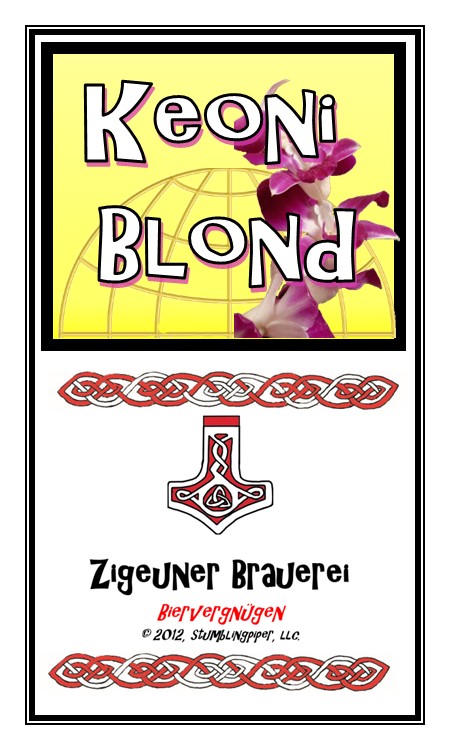
Keoni Blond from Ziggy Brau

The Brewtools B40 — their smallest (40L) integrated system — has really worked well for me. I will say that every comment I’ve seen on reviews are spot on — if you don’t know the process you are using and you don’t have a good idea why you do certain things in the process, you will be a little challenged. The only issue I’m having (currently) with my system is mash efficiency — it has been in the60 to 70 percent area … I’d like to get it up closer to 80 percent. I’m changing up my grain crush now to see how that goes. In the meantime, I’ve been using the recipe scaler on the brewfather app and it is helping me hit my targets.

My focus the last couple of years (as mentioned previously) is on German and Belgian-style beers (and a couple of miscellaneous American-styles). So far I’m having excellent success with my process, my equipment, and my ingredients—only one of my recent beers didn’t turn out the way I wanted.

Here is my current library of beers:

  1. Belgian-style Blond (second/third editions of this one!). I brewed the first iteration of this beer on the day my grandson was born! April 11, 2021. Version 2 and 3 were right around his birthday as well. [ 1a — is a Brett one off from my extra wort]
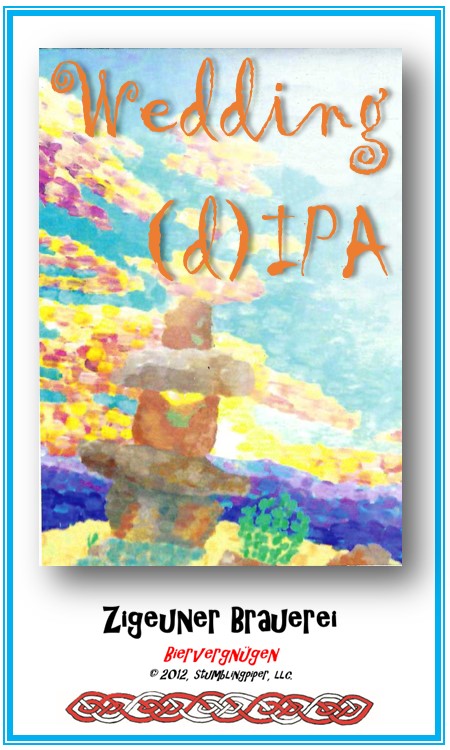
  2. (Double) American-style IPA (fourth iteration). I brewed the original version of this for my wedding and have continued to make it.
  3. Belgian-style Pale Ale. I made two of these right in a row. The first one not so great, but the second one was nice. It is coming up again on the radar!
  4. Barrel-aged Imperial Stout (Yum — 3rd iteration!). This beer has been great–I’ll do a whole post on this one later. 
  5. Belgian Lambic-style Ale. This is a continuing experiment — I just brewed the third version of it and will be making a Gueuze out of it at the end of this year! Oh, I also make a Fruited-Lambic with locally-grown plums.
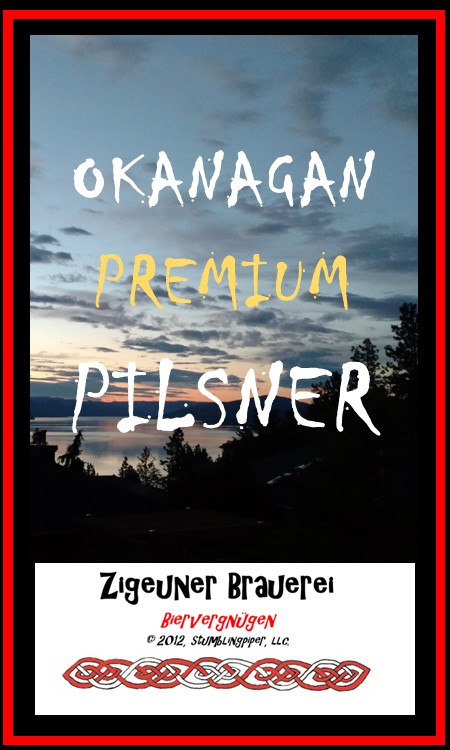
  6. German-style Pilsner. This is a mid-winter beer for me to make — so it can lager into the early spring summer. This year I’ll be substituting the following beer for it instead.
  7. German Eis-bock. Another entry on this beer (quite involved). lol.
  8. Belgian/Monastic Dark Strong Ale –– also known as a Belgian Quad. This beer turned out very well (and has aged very well). 
  9. Monastic-style Dubbel and Tripel. These two were also good. The Tripel was a little under-carbonated — I put it in the cold storage too soon. Flavor was nice. Both do overs!
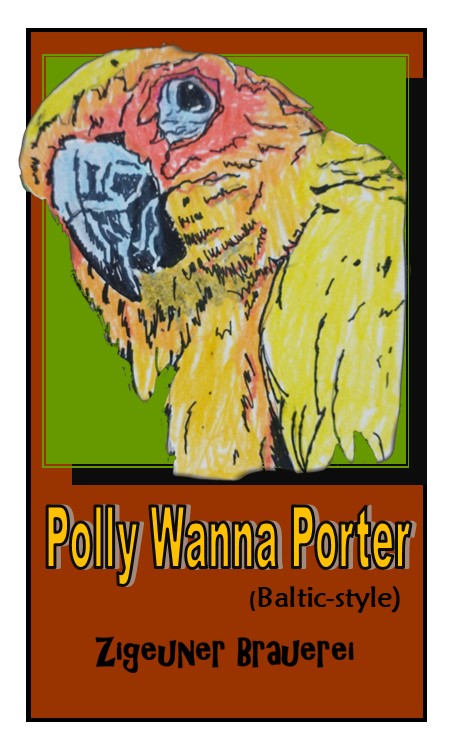
  10. Baltic Porter — I brewed this beer last year on my second grand-child’s birthday! Yum.
  11. Belgian-style IPA — I brewed this one to make a clone of the Poperinge Hommelbier. It’s close — I need to work on my dry hopping … flavor and color are awesome.
  12. American Brown –– I made this one and it ended up having Brett in it. Still tasted good, but want a do over as well. haha.
  13. Orval Clone — my favorite beer — my clone is so close in flavor–I’m just off on color now–next iteration should dial it in!
  14. Sahti — My experimental Finnish beer — next on tap for brewing! Stay tuned.

I enjoy the process of coming up with labels, too. Check out my collection for the current beers! No Sahti label yet …
I hope you enjoy the post!

Beermentor

My Home Brewery: Cockatrice Brewery!

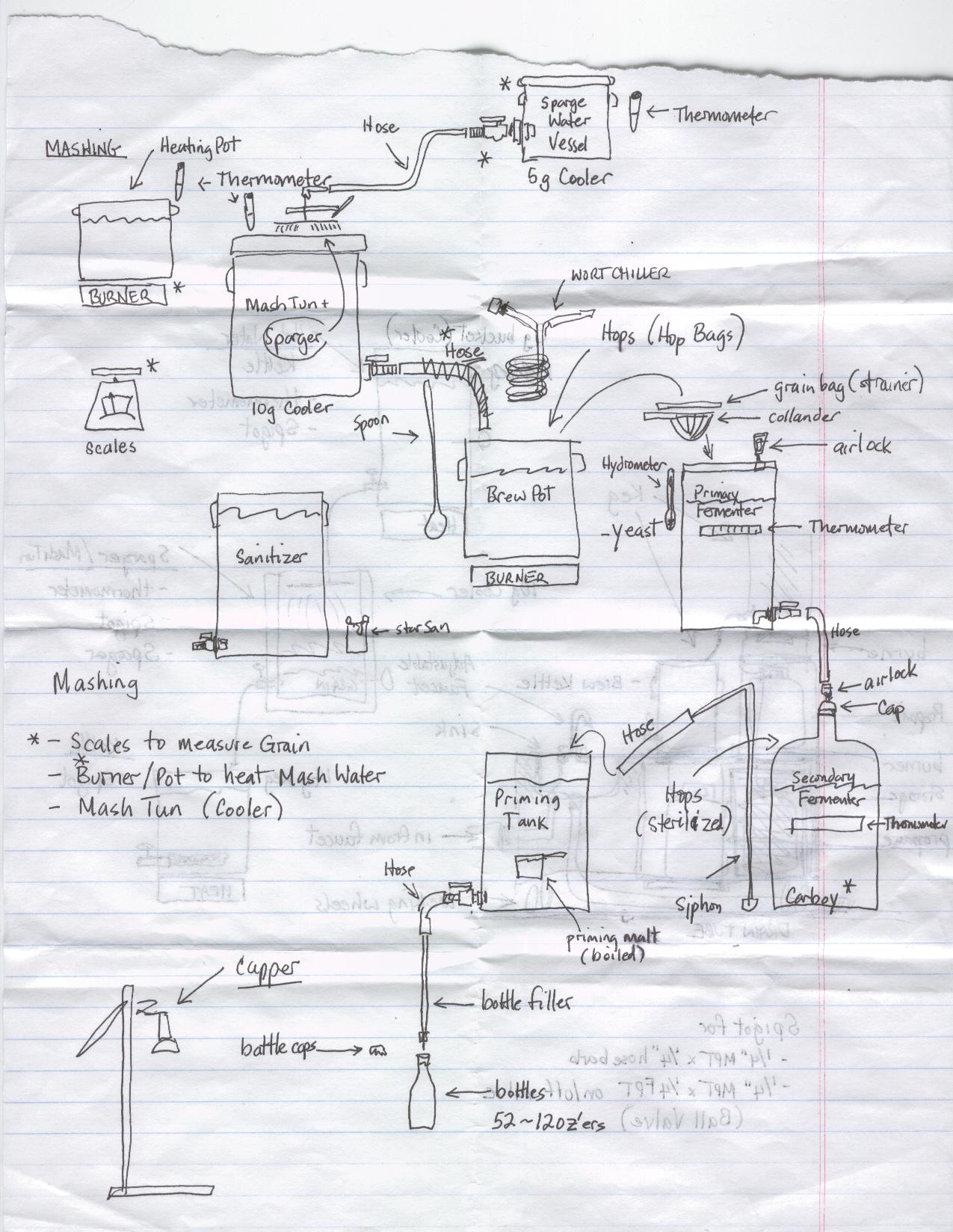
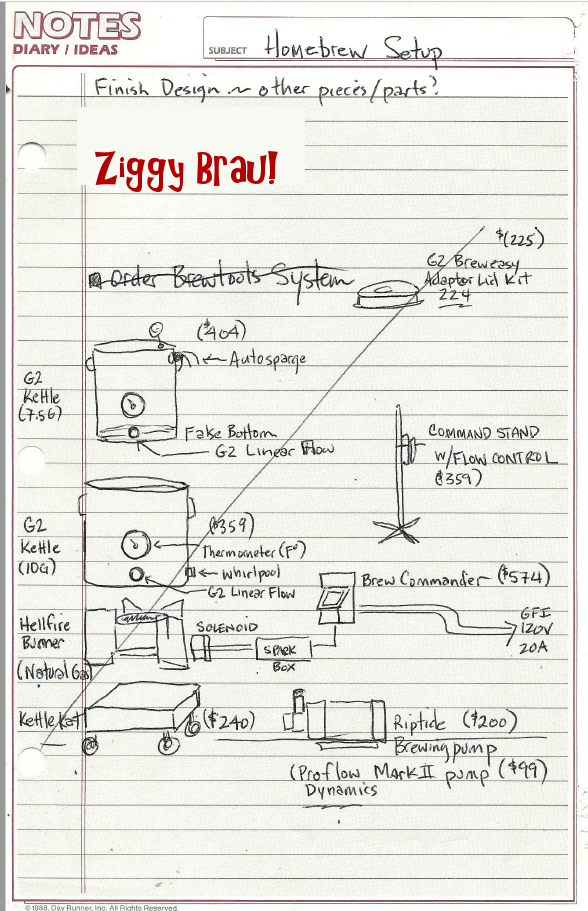
After 20+ years of using a hodgepodge of brewing equipment — albeit it worked (mostly) well — I decided to invest in a new “brewery” for myself this year. Actually, I had a design in place for my brewery since 2002+ … here are a few drawings I’ve done through the years representing what I wanted. The first two images were my original design … some time later I did the next two drawings. The final drawing was a recent design for my brewery based upon all Blichmann equipment. I was trying to incorporate it with my existing Blichmann equipment — that’s the reason I didn’t just go with a Breweasy system.

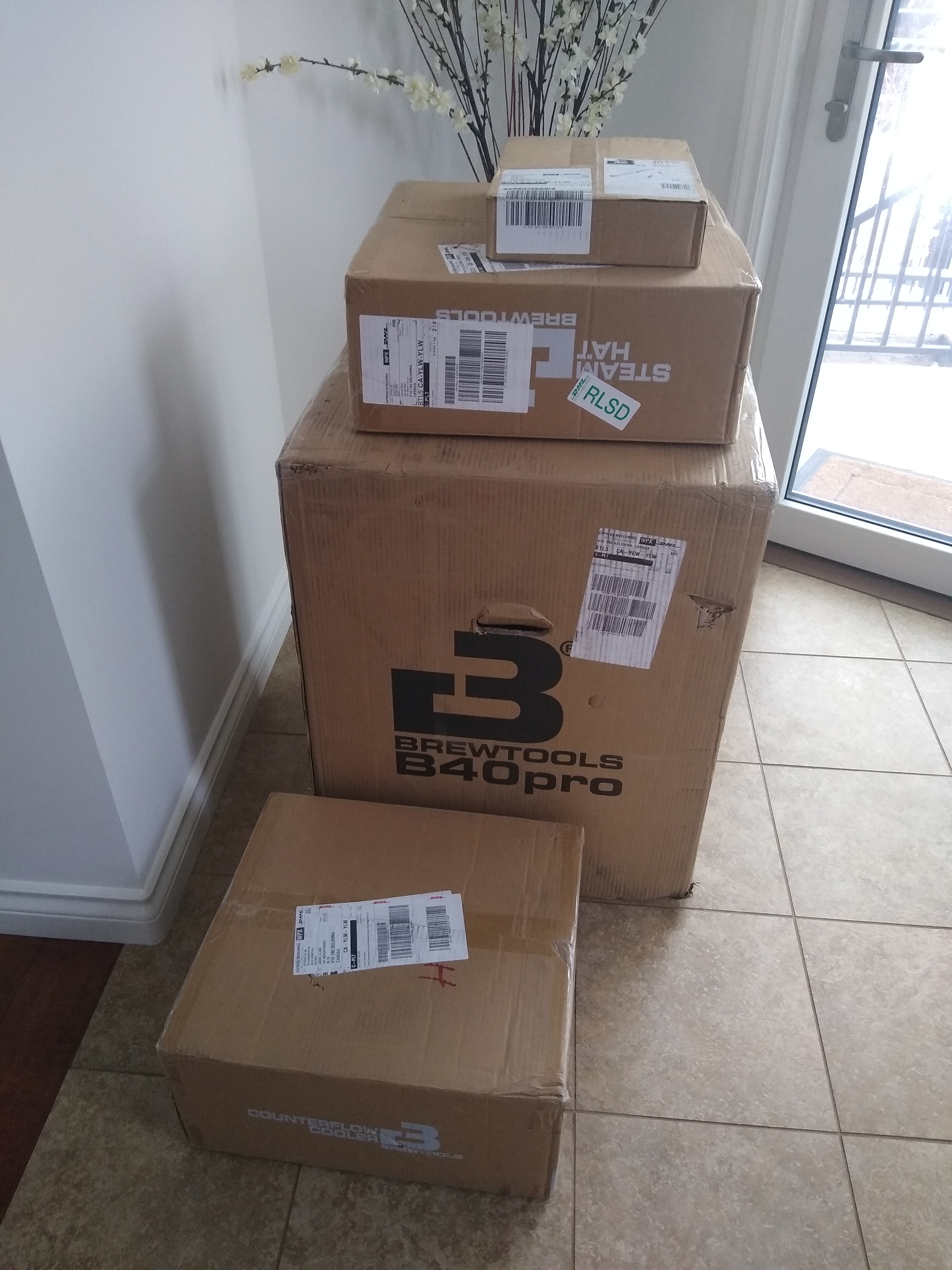
After doing some research and looking to see how my brewing process, plus my location, matched with an integrated brew system, I decided to go with the Brewtools B40 — their smallest (40L) integrated system. It looked like the right match for my location/process. Having cleared customs here in Canada it came nicely packaged to the house.

Brewtools B40 Pro Brewing System

My wife and I agreed that it should be set up in our basement shop — it is an electric kettle system. My major goal with this system, besides to brew great beers, was to reduce the amount of heavy lifting involved. I found lifting 40-50 lbs of near-boiling water was probably not in my best interest.

Before I could get my brewery up and running, I had to have a little work done. I had a 240V isolated circuit installed to plug into directly — 30A worked nicely — no popped fuses! Next, I searched around for a rolling table to use with it–one low enough to see into the kettle. After much searching the folks over at Okanagan Stainless were kind enough to build me a fantastic Stainless Steel table — perfect for my need! They do such awesome work!

Here’s a look at the table. You can see the swing-arm installed–I’ll show how that works in a follow-on photo.

As a side diversion (lol), I tried to 3d print a block-and-tackle pulley system to use with my swing-arm (see photo). Although it worked, I needed something a little smaller.

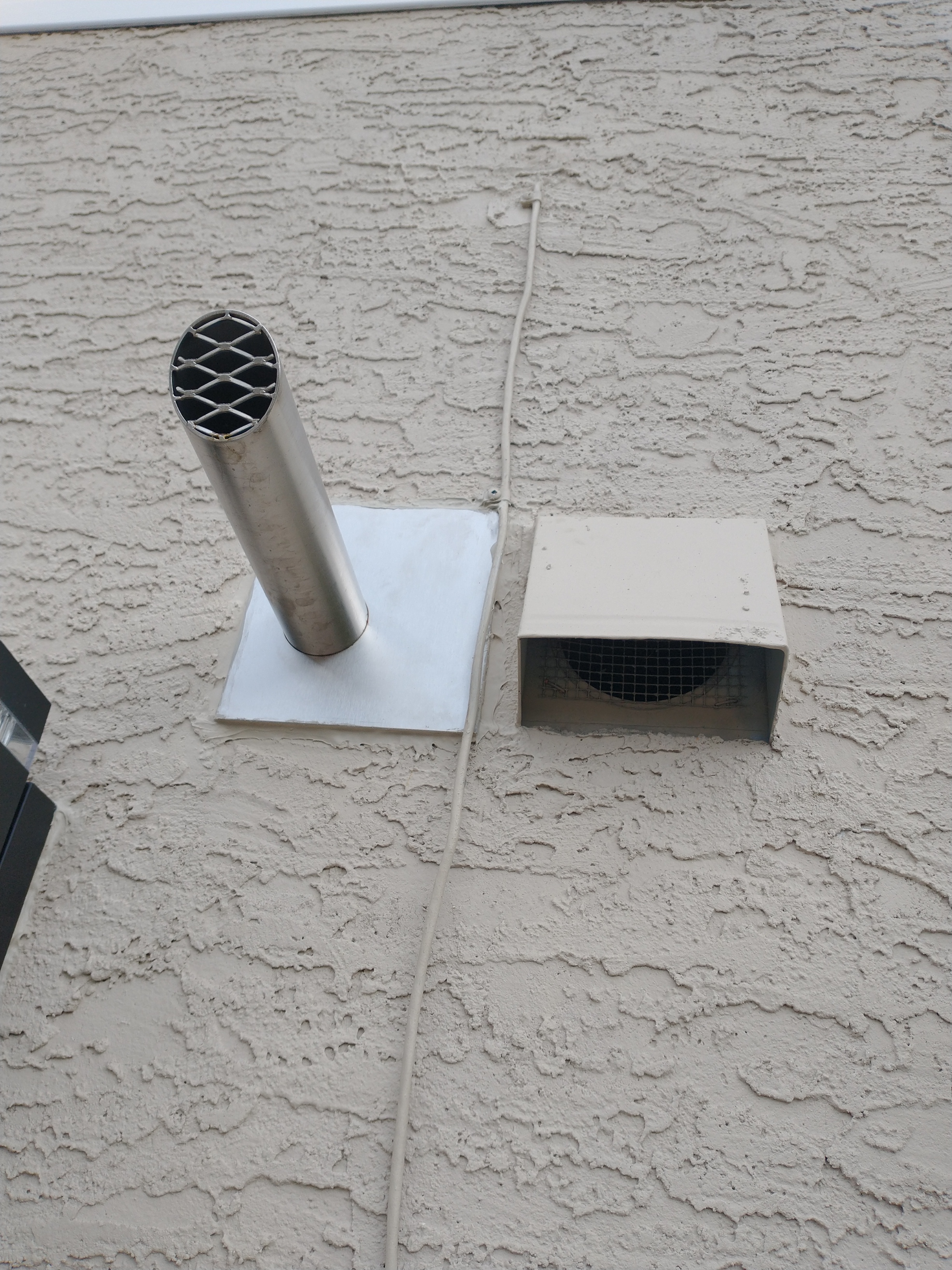
With my table and power ready, the final piece of the puzzle was venting the steam out of the “Brewery.” Fortunately, I had two extraneous vent pipes leading out of the house from the old furnace — I decided to attempt to use one of those in the process. I drew up my design and bought the pieces/parts to see if I could make it work.

We set up the system (here you can see the initial layout) and tried boiling some water to see if it would work — come to find out, the exhaust pipe was a cardboard tube. haha. That wasn’t going to work! So I replaced that with a standard exhaust pipe — still not a good seal — too much leaking. I needed another solution — back to the Okanagan Stainless guys! They built me a stainless steel exhaust system to use … here are a few photos of the installed product.

With everything in place, I was ready to test out the system! I ran through about 3 test batches (water only) to understand the best way to attach all the valves. I purchased a few extra valves, the steam hat, and the wort chiller to have a complete solution. Here’s how the system looks set up when I’m brewing a batch of beer …

Overall, I love my system — however, I’m having issues with my brewhouse efficiency — I’m hovering at around 60% for mash conversion — that’s after 4 full batches. Fortunately, the beers still finished in style and are tasting great, but I want an efficiency closer to 80%. Still more research to do. In one of my follow-on posts I’ll talk through my process (I just brewed a Trappist-style Dark Strong Ale) — maybe someone will have some ideas.

I already have a few “upgrades/enhancements” planned for the brewery to make it even easier and more efficient to use. Oh, here’s an updated picture of my steam exhaust … I wanted to show the finished product there as well!

Stand by for more from Cockatrice Brewery!

Beermentor